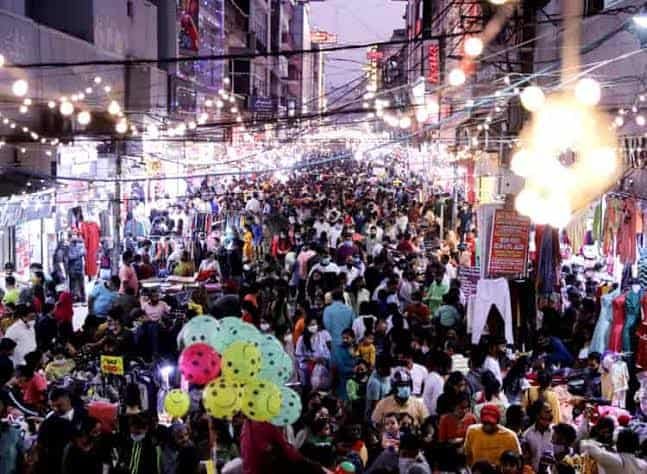
Fancy Bazaar Guwahati is where locals send you when you ask where to actually shop in the city — not the malls, not the newer commercial strips, but this old, sprawling network of lanes that’s been trading since long before Guwahati had flyovers or online delivery apps. Locals often call it Phaasi Bazaar, and the comparison people reach for most often is Chandni Chowk in Delhi, which tells you a lot about the density, the noise, and the sheer volume of goods moving through here on any given day.
For visitors and Assam-bound shoppers alike, understanding exactly where this market sits and how the city connects to it makes the difference between a smooth trip and an hour lost circling the wrong lane.
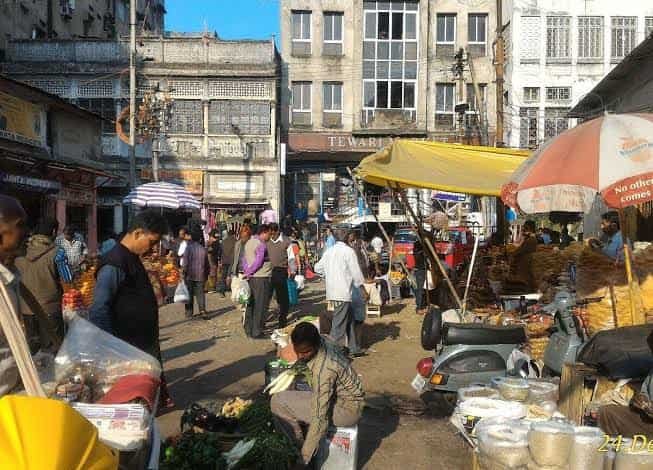
Fancy Bazaar Guwahati Overview
| Detail | Information |
| Location | Central Guwahati, near the Brahmaputra riverbank |
| PIN Code | 781001 |
| Local nickname | Phaasi Bazaar |
| Known for | Assam silk, garments, cosmetics, electronics, household goods |
| Nearest railway station | Guwahati Railway Station (~1 km) |
| Surrounding localities | Pan Bazaar, Lakhtokia, Athgaon, Rehabari, Machkhowa |
| Best comparison | Often likened to Delhi’s Chandni Chowk |
The Ground Fancy Bazaar Occupies
Fancy Bazaar sits close to the banks of the Brahmaputra, in the heart of Kamrup Metropolitan district, and it isn’t really one street the way a first-time visitor might expect. Search for it on any map app, and you’ll get a broad shaded area rather than a single pin, because the market is genuinely a network of lanes and clusters rather than a linear bazaar.
The area spans roughly 2.5 square kilometres, bordered by Pan Bazaar and Lakhtokia, with Athgaon, Rehabari, and Machkhowa forming the wider ring around it. This isn’t a coincidence of city planning — Fancy Bazaar grew up as Guwahati’s original commercial engine, supplying clothes, utensils, fabrics, jewellery, and daily essentials long before shopping malls entered the picture, and the surrounding neighbourhoods developed largely in service of that trade.
How to Get to Fancy Bazaar
Guwahati doesn’t have a metro system, so getting to Fancy Bazaar relies entirely on rail, road, and river-adjacent transport — all of which converge conveniently close to the market itself.
By Train
- Guwahati Railway Station sits roughly a kilometre away, making it the fastest entry point for anyone arriving by train.
- Autos and taxis cover the distance in under 10 minutes depending on traffic, and plenty of visitors simply walk it when travelling light.
By Bus
- The ISBT (Inter-State Bus Terminal) connects to Fancy Bazaar through local buses, shared autos, and cycle rickshaws, though peak-hour traffic near the market can stretch the ride longer than expected.
- ASTC services also link the market to other parts of the city and the wider region.
By Personal Vehicle
- SRCB Road and M.M. Road offer the main approach routes for private vehicles.
- Parking is limited and often informal near the core lanes, so many regular visitors park a short distance away and walk in rather than fighting for space near the market itself.
On Foot
- Once inside, walking is unavoidable. The lanes are narrow, tightly packed with vendors, and simply not built for vehicle traffic beyond the main access roads.
Distance From Fancy Bazaar to Key Points
| From Fancy Bazaar | Approximate Distance | Typical Travel Time |
| Guwahati Railway Station | ~1 km | 5–10 minutes by auto |
| Assam State Museum | ~2 km | 10–15 minutes by road |
| Kamakhya Temple | ~8 km | 25–30 minutes by road |
| Umananda Temple (Peacock Island) | Riverside, short ferry ride | 15–20 minutes combined |
Localities and Landmarks Around Fancy Bazaar
Fancy Bazaar’s surrounding neighbourhoods each add something to the experience, whether you’re there to shop, eat, or explore Guwahati’s cultural side.
- Pan Bazaar — a quieter, adjoining locality known for stationery and bookshops, sitting just north.
- Lakhtokia — immediately bordering the market, home to several budget hotels convenient for short stays.
- Athgaon — connects Fancy Bazaar toward the eastern parts of central Guwahati.
- Assam State Museum — roughly 2 km away, offering sculpture, traditional clothing, and artefact collections for those wanting cultural context alongside their shopping.
- Nehru Park — a nearby green space with cultural statues, useful for a break after navigating the market’s crowds.
- Umananda Temple — accessible via a short ferry ride across the Brahmaputra, a peaceful contrast to the market’s intensity.
What to Expect Once You’re There
Fancy Bazaar rewards visitors who come with a plan, since the sheer scale of lanes and stalls can overwhelm anyone arriving without a sense of what they’re after.
- Assam silk — Muga, Pat, and Eri varieties — remains the market’s signature draw, with mekhela chador sets and sarees typically priced between ₹1,000 and ₹8,000 depending on craftsmanship.
- Bargaining is standard practice across nearly every stall, so quoted prices are rarely final.
- Morning visits offer noticeably less crowding than afternoons, particularly useful if you’re shopping for textiles that need careful inspection.
- Street food stalls selling jhal muri, singra, momos, and pani puri operate throughout the lanes, making it easy to eat while you shop.
- Keep valuables secure in the denser stretches, since the crowd can get thick enough that pickpocketing becomes a realistic concern.
Frequently Asked Questions
Q1. Does Fancy Bazaar have a metro station nearby?
No, Guwahati does not currently have a metro system, so the practical options for reaching Fancy Bazaar are the railway station, buses, autos, or private vehicles.
Q2. How far is Fancy Bazaar from Guwahati Railway Station?
The market sits roughly a kilometre away, easily covered by auto-rickshaw or taxi in under 10 minutes, with many visitors choosing to walk the short distance instead.
Q3. Is Fancy Bazaar just one street or a larger area?
It’s a network of lanes and clusters rather than a single street, spanning about 2.5 square kilometres, so it’s worth having a rough plan of what you’re shopping for before heading in.
Q4. What is Fancy Bazaar best known for among shoppers?
Assam silk products, particularly Muga, Pat, and Eri varieties, along with garments, cosmetics, and household goods, make it the region’s most established wholesale and retail shopping destination.