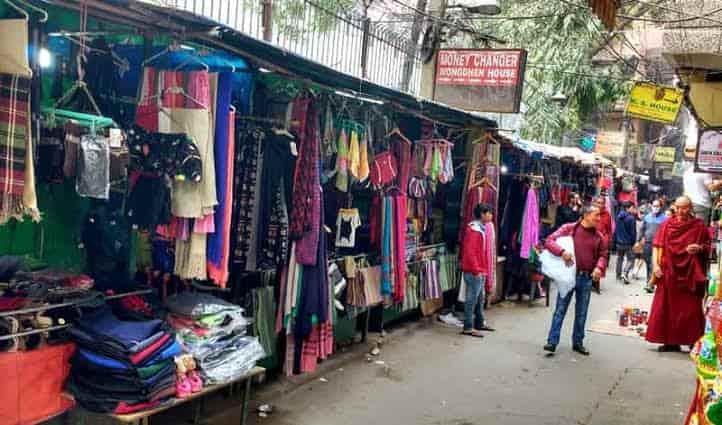
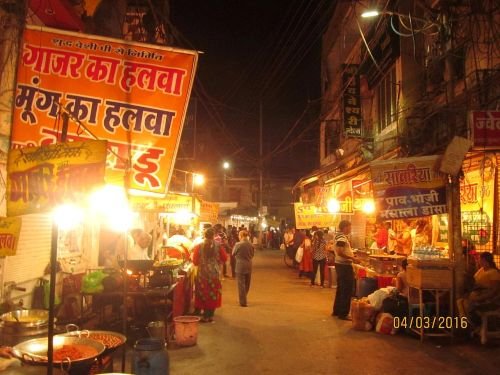
Meena Bazaar Agra carries one of the most romantic origin stories of any market in India — legend holds that it was here, amid the stalls of this Mughal-era women’s bazaar, that Prince Khurram first laid eyes on Arjumand Bano Begum, the woman he would later crown Mumtaz Mahal and for whom he would build the Taj Mahal itself. Located within the jilaukhana, the walled forecourt leading into the Taj Mahal complex, this historic bazaar street has evolved dramatically since its Mughal origins as an exclusive women-only market held during the Nowruz festival, into today’s bustling Taj Ganj commercial stretch that funnels millions of visitors toward one of the world’s most recognisable monuments.
For anyone planning a Taj Mahal visit, understanding where Meena Bazaar sits within that approach — and how Agra’s transport network connects to it — genuinely shapes how smoothly the trip goes.
Meena Bazaar Agra Overview
| Detail | Information |
| Location | Jilaukhana forecourt, Taj Ganj, adjacent to Taj Mahal complex |
| PIN Code | 282001 |
| Historical origin | Mughal-era women’s bazaar, held during Nowruz festival |
| Historical significance | Traditional meeting site of Shah Jahan and Mumtaz Mahal |
| Modern character | Taj Ganj shopping street, handicrafts, souvenirs, budget accommodation |
| Nearest Agra Metro station | Taj Mahal Metro Station (Yellow Line) |
| Nearest railway station | Agra Cantt (AGC), roughly 5.5–9.5 km depending on route |
A Mughal Women’s Bazaar Turned Tourist Gateway
The concept of a “Meena Bazaar” traces back to Emperor Humayun, who first organised these exclusive women’s markets, later expanded significantly under Akbar and his successors. Held during the Nowruz (Persian New Year) festival for five to eight days each year, these bazaars were closed to the general public — only the emperor, a handful of princes, and select nobles were permitted entry, while women of the royal harem, Rajput noblewomen, and wives and daughters of courtiers set up their own stalls selling textiles, jewellery, and handicrafts at premium prices.
The Agra version of this tradition holds particular historical weight because of its connection to the Taj Mahal’s origin story. Court historian Abdul Hamid Lahori, chronicling Shah Jahan’s reign in the Padshahnama, described how Prince Khurram encountered Arjumand Bano in the Meena Bazaar and recognised in her someone unlike any other — a meeting that eventually led to their marriage and, decades later, to the construction of the Taj Mahal itself.
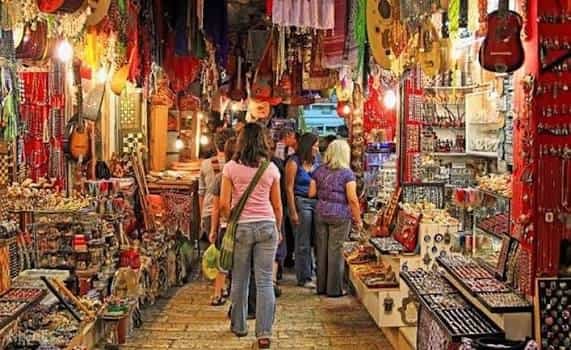
Today, the jilaukhana that once hosted this exclusive Mughal market forms the walled forecourt travellers pass through en route to the Taj Mahal’s Great Gate. The surrounding area, now generally known as Taj Ganj, has transformed into a dense, practical commercial zone — souvenir shops, handicraft stalls, and budget guesthouses line the streets leading toward the monument, serving the millions of tourists who pass through annually rather than the exclusive royal clientele of centuries past.
Getting to Meena Bazaar and Taj Ganj
Since this area sits directly at the Taj Mahal’s approach, reaching it means navigating Agra’s broader tourist transport network first.
By Metro
- Taj Mahal Metro Station on the Yellow Line opened in March 2024 and connects directly toward the monument area, offering one of the newest and most convenient ways to approach Taj Ganj.
- Mankameshwar Metro Station, also on the Yellow Line, provides connectivity toward Agra Fort and links onward through the city’s growing metro network.
By Rail
- Agra Cantt (AGC) is the city’s main railway station and the most common arrival point for visitors coming from Delhi, Jaipur, Mumbai, and other major cities. Reported distances to the Taj Mahal vary noticeably between sources, ranging from roughly 5.5 km to 9.5 km depending on the specific route taken, so budget 15 to 30 minutes for the journey by taxi or auto.
- Agra Fort Railway Station sits considerably closer, roughly 3 km from the Taj Mahal, making it a convenient alternative for those coming from Rajasthan or nearby regions.
- Raja Ki Mandi Station offers another option, about 7 km away, useful for certain regional train routes.
By Air
- Agra’s Kheria Airport lies approximately 7 to 10 km from the city centre and Taj Mahal area, with domestic flights connecting Agra to major Indian cities.
By Road
- Since private vehicles aren’t permitted right up to the monument, taxis and autos typically drop visitors near the Taj Mahal’s East or South Gate, both within walking distance of Taj Ganj and the Meena Bazaar area.
- The South Gate sits nearest to Taj Ganj itself, making it the natural entry point for visitors approaching from the market side.
Distance From Meena Bazaar/Taj Ganj to Key Points
| From Meena Bazaar (Taj Ganj) | Approximate Distance | Typical Travel Time |
| Taj Mahal South Gate | Adjacent | 2–5 minutes on foot |
| Agra Fort | ~2 km | 10 minutes by auto |
| Agra Cantt Railway Station | ~5.5–9.5 km | 15–30 minutes by road |
| Kheria Airport | ~7–10 km | 20–25 minutes by road |
What Surrounds Meena Bazaar
Taj Ganj’s position right at the Taj Mahal’s doorstep puts several major Agra landmarks within easy reach.
- Taj Mahal — the monument itself, accessible directly through the jilaukhana and Great Gate adjoining Meena Bazaar’s historic location.
- Agra Fort — roughly 2 km away, another UNESCO World Heritage Site and a natural pairing for the same day’s sightseeing.
- Mehtab Bagh — a garden complex across the Yamuna River offering a distinctive view of the Taj Mahal from the opposite bank.
- Shilpgram — a government-run tourist and crafts centre near the Taj Mahal’s East Gate, useful for handicraft shopping beyond Taj Ganj’s own stalls.
- Sadar Bazaar — Agra’s broader tourist shopping destination, known for leather goods, petha sweets, and street food, situated near Agra Cantonment.
Visiting Tips for Meena Bazaar and Taj Ganj
A historic approach street that doubles as a modern tourist market rewards a bit of planning.
- Enter through the South Gate if you’re staying in or exploring Taj Ganj, since it’s closest to this area and generally has shorter queues than the West Gate.
- Carry cash for smaller handicraft and souvenir stalls, though larger shops increasingly accept digital payments.
- Bargain confidently at Taj Ganj’s shops, since quoted prices for souvenirs and handicrafts are rarely final.
- Book accommodation in Taj Ganj if you want the shortest possible walk to the Taj Mahal, since the neighbourhood is specifically known for budget guesthouses catering to early-morning monument visits.
- Combine your visit with Agra Fort, given the short 2 km distance and shared historical connection to the same Mughal era.
Frequently Asked Questions
Q1. Is Meena Bazaar still an actual functioning bazaar today?
The original Mughal-era women’s bazaar no longer operates in its historic form, but its location within the Taj Mahal’s jilaukhana forecourt has evolved into the modern Taj Ganj shopping area, which remains an active commercial street for tourists.
Q2. Which railway station is actually closest to Meena Bazaar and the Taj Mahal?
Agra Fort Railway Station is generally the closest at around 3 km, while Agra Cantt, the city’s main station, sits further out with reported distances ranging from roughly 5.5 to 9.5 km depending on the specific route.
Q3. Can I reach Taj Ganj using the Agra Metro?
Yes, the Taj Mahal Metro Station on the Yellow Line, opened in March 2024, offers direct connectivity toward the monument area, making it one of the more convenient recent additions to reaching this part of the city.
Q4. Why is this historic bazaar connected to the Taj Mahal’s origin story?
According to Mughal court chronicles, Prince Khurram (later Shah Jahan) first encountered Arjumand Bano Begum, who became Mumtaz Mahal, at the Meena Bazaar — a meeting that eventually led to their marriage and, years later, to the construction of the Taj Mahal in her memory.